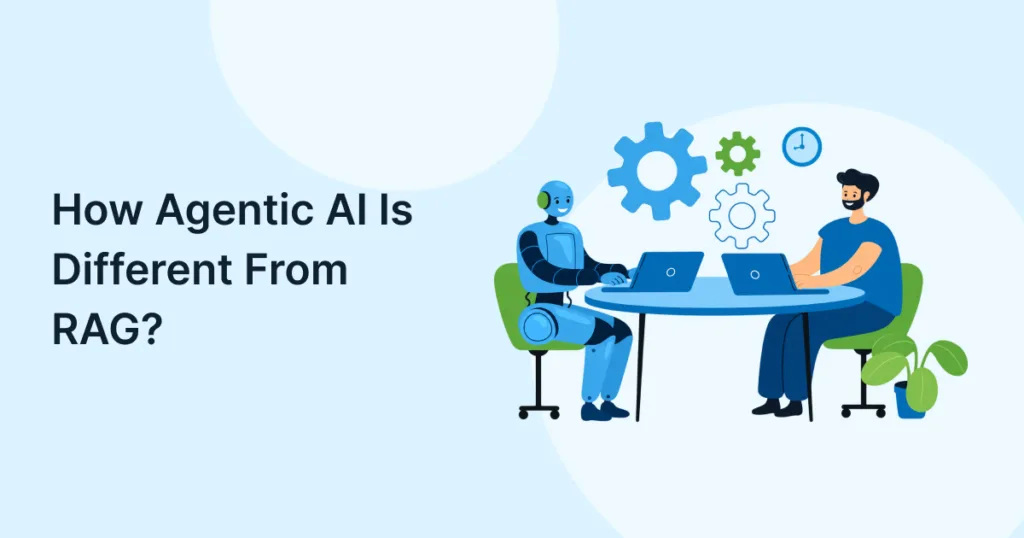
Agentic AI and Retrieval-Augmented Generation (RAG) both extend what modern artificial intelligence can do. However, they solve different problems. RAG helps an AI model retrieve relevant information before generating an…
Agentic AI and Retrieval-Augmented Generation (RAG) both extend what modern artificial intelligence can do. However, they solve different problems. RAG helps an AI model retrieve relevant information before generating an…
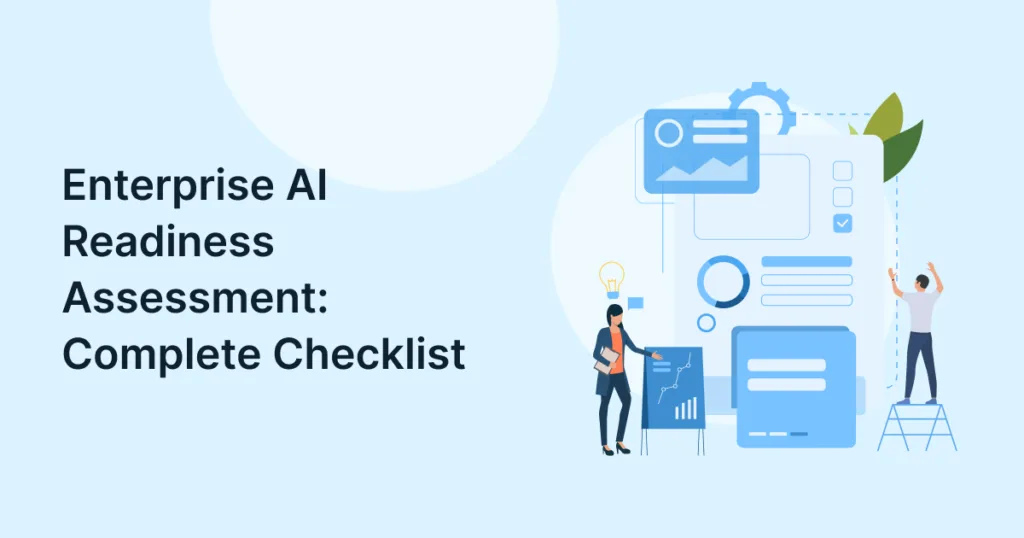
Enterprise AI projects rarely depend on the model alone. The harder questions usually appear around the model. Is the business problem clearly defined? Is the required data available and usable?…
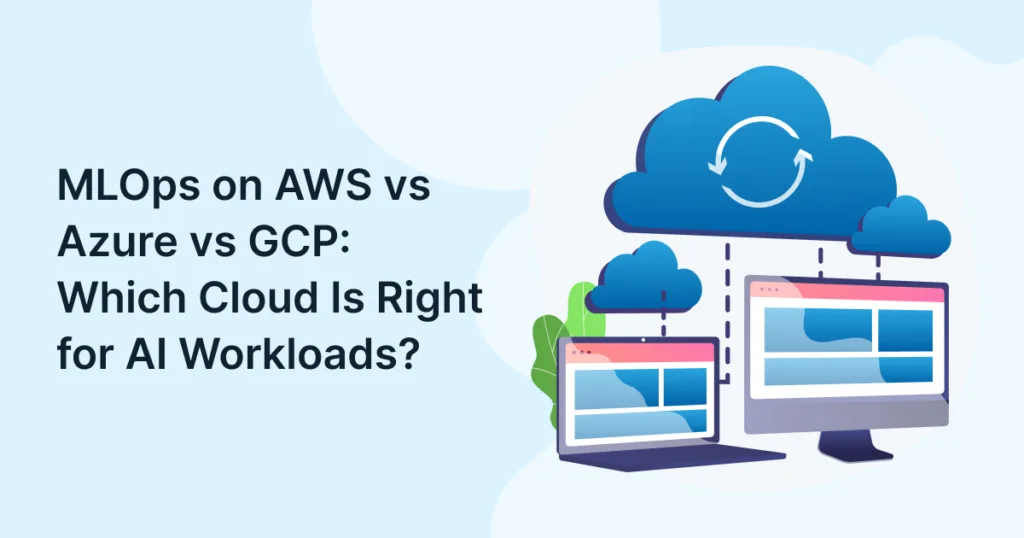
Moving an ML model from a notebook into production is only the beginning. Once a model is live, teams need to manage training pipelines, deployment, monitoring, versioning, governance, and retraining….
When an employee asks an AI assistant about a complex business question, the answer may require information from CRM records, contracts, support tickets, databases, and internal documents. Traditional retrieval-augmented generation…
Generative AI has changed how enterprises create content, analyze information, and assist employees. The next shift is toward systems that can act on that information – planning tasks, calling tools,…
Modern enterprises generate massive amounts of unstructured data daily. Traditional systems struggle to process this information efficiently. Basic models often output inaccurate or hallucinated answers. Enterprise leaders need reliable intelligence…
Let me draw you a familiar enterprise scenario: an autonomous customer support agent receives a complex inquiry regarding a delayed order. The agent has world-class reasoning capabilities. But resolving the…