
Valuable and actionable data generation acts as essential groundwork for businesses. However, many companies do not fully exploit their data. Surveys indicate that nearly half of all companies benefit from data generation, while one-fourth fail to derive any meaningful value from it.
This is where Oracle software plays a crucial role. The Oracle Database system can revolutionize data generation processes, enabling businesses to make informed decisions, conduct critical analysis, and boost productivity. Beyond these advantages, Oracle Database offers a multitude of features that enhance efficiency and security. This article explores these benefits and functionalities in detail.
What is Oracle?
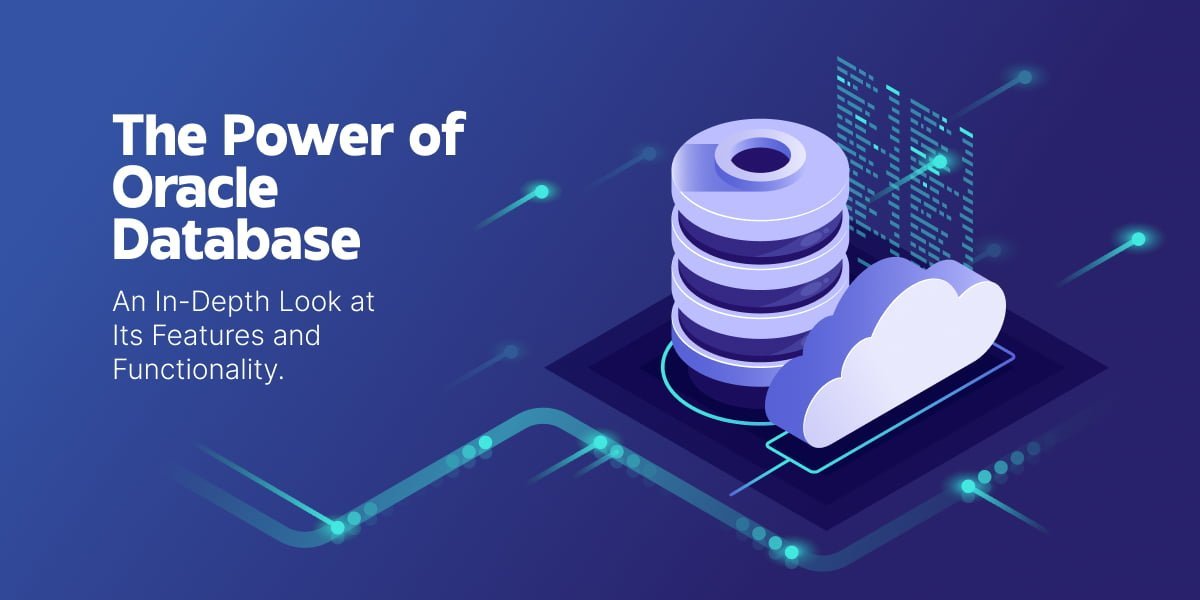
Oracle Database is one of the most widely used relational database management systems (RDBMS), trusted by leading businesses across various industries. It enables organizations to efficiently manage, store, and organize their data.
Developed by Oracle Corporation in 1979, this RDBMS served as the company’s flagship offering, establishing Oracle as a powerhouse in enterprise software. The company also oversees Java programming and MySQL, another popular open-source RDBMS, in addition to Oracle software solutions.
Oracle Database excels in processing and managing large volumes of data. With robust SQL querying capabilities, it supports a wide range of administrative tasks and transactions. These strengths have made Oracle Database a preferred choice for businesses worldwide.
For over 30 years, Oracle has maintained its dominance in the market as the leading RDBMS, consistently outpacing competitors.
Oracle Features
A Wide Range of Security Features
Oracle Database includes Oracle Advanced Security, offering robust protection against unauthorized access. It features role-based access control, connection and data encryption, and data masking. Frequent security updates and patches ensure that Oracle remains one of the most secure database management systems available.
Automated Recovery and Backup
Data availability and protection rely on efficient backup and recovery mechanisms. Oracle Database supports scheduled, automatic backups and offers multiple levels of restoration, from full or partial backups to the recovery of individual tables. Additional features include encrypted, online, and archived backups.
Oracle Database is available in five distinct editions, catering to various business needs and environments.
Oracle Editions
Special Edition
Oracle Database Express Edition is a free, basic edition designed for personal use or small businesses involved in database development, deployment, and distribution. It has limited capabilities (12 GB of user data, 2 GB of RAM, and up to 2 CPU cores), but users can upgrade to a more advanced version at any time.
Enterprise Edition
The most powerful option, Oracle Database Enterprise Edition, is designed to meet the demands of large-scale applications and enterprises. It includes features such as machine learning, advanced compression, in-memory databases, partitioning, and Real Application Clusters (RAC).
Standard Edition
Previously known as Oracle Database Standard Edition One, this edition is widely used by departmental teams and web application developers. It includes Oracle Real Application Clusters (Oracle RAC) to support clustering services (available from Oracle Database 10g onwards).
Personalized Edition
With the exception of Real Application Clusters (RAC), the Personal Edition includes all features of the Enterprise Edition. It is designed for single-user development and deployment. However, it is only compatible with Linux and Windows operating systems and follows a single-user licensing model.
Second Edition Standard
Oracle Standard Edition 2 (SE2) is an affordable, feature-rich database management system tailored for small and medium-sized businesses. While popular among these enterprises, it does not support Oracle Real Application Clusters (RAC).
Oracle Platform Benefits
Variety Of Information Sources
Oracle software facilitates seamless data retrieval from multiple sources, including relational databases, object storage, and services such as Spark, Hadoop, and Elasticsearch. This eliminates the need for additional services, streamlining data access.
Various Options for Deployment
Oracle Database provides deployment flexibility across cloud, on-premises, and hybrid cloud environments. This adaptability reduces costs and enhances operational efficiency while ensuring consistent capabilities across all deployment models.
Numerous Tools for Development
Oracle software supports SQL, multiple APIs, and CLIs at different automation levels. Developers can create applications that integrate diverse data types while maintaining strict standards for security, access, and data integration.
Oracle Analytics
Oracle Analytics, a cloud-based platform, provides all the tools necessary for the analytics process, including data input, modeling, preparation, enrichment, visualization, and collaboration.
Oracle Flashback
Oracle Flashback Technology allows users to examine and restore database objects to previous states without requiring point-in-time media recovery. This simplifies recovery from logical errors and facilitates historical data analysis.
Technical Assistance and Documentation
Katalyst’s Oracle provides extensive resources, including detailed documentation, knowledge bases, and active discussion forums. Additionally, users can access support and updates through Oracle Premier Support or Oracle Advanced Customer Services. Companies offering Oracle services also provide expert guidance and assistance.
By leveraging Oracle Service solutions, businesses can enhance operational efficiency, ensure data security, and optimize decision-making processes. Oracle Database remains an indispensable asset for enterprises seeking a robust, scalable, and secure data management solution.