
Introduction
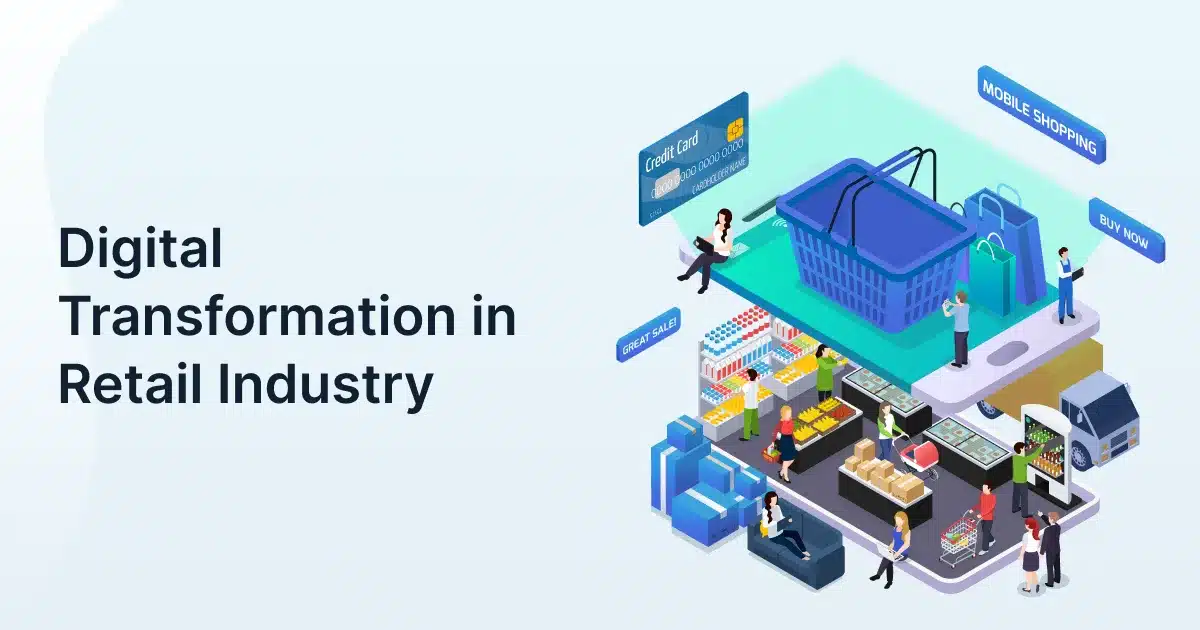
Digital transformation in retail industry refers to adopting modern technologies to streamline operations, personalise customer experiences, and optimise the retailing value chain. It involves the digitalization of retail processes, data-driven decision-making & omnichannel strategies across retail & consumer goods businesses.
The retail landscape is evolving rapidly due to changing consumer behaviour, rising digital expectations & increasing competition. Companies are investing heavily in Digital Transformation Services and Custom Software Development to modernise legacy systems and create seamless experiences across online and offline channels.
Businesses looking to accelerate this shift can explore scalable retail technology solutions that enable integration, automation & innovation.
Brief Summary
- Digital transformation in retail industry enhances efficiency, customer experience & profitability
- Digitalization of retail processes enables automation and real-time insights
- AI, IoT & cloud are driving digital transformation trends in retail
- Retail & consumer goods companies benefit from omnichannel strategies
- Implementation requires structured planning, technology alignment & expert support
What is Digital Transformation in Retail Industry?
To understand digital transformation in retail industry, you need to view it as the integration of digital technologies across all business functions to improve operational efficiency and customer engagement.
Key Components Explained
- Digitalization of retail processes
Converting manual operations like inventory tracking and billing into automated workflows using cloud-based tools - Customer experience transformation
Leveraging AI and analytics to deliver personalised recommendations, targeted promotions & seamless omnichannel journeys - Data-driven decision-making
Using real-time analytics for demand forecasting, pricing optimisation & supply chain planning - Technology integration
Connecting ERP, CRM, POS & e-commerce platforms into a unified system

Why is Digitalization of Retail Processes Important Today?
To stay competitive, retailers need digitalization of retail processes to reduce inefficiencies, respond quickly to demand & deliver personalised experiences across channels.
Importance of Digitalization
- Real-time visibility
Retailers gain instant insights into inventory, sales & customer preferences
- Operational efficiency
Automation reduces manual errors, speeds up processes & optimises costs
- Customer-centric approach
Enables consistent experiences across offline stores, websites & mobile apps - Scalability for growth
Digital systems allow businesses to expand operations without major infrastructure changes
Industry Stat – “Global retail e-commerce sales are projected to exceed $8 trillion by 2026” |
What Are the Benefits of Digital Transformation in Retail?
To maximise growth, retailers need to leverage the benefits of digital transformation in retail such as improved efficiency, enhanced customer experience & scalable business models.
Benefits
- Enhanced Customer Experience
AI-driven personalisation improves engagement and conversion rates
Example: personalised product recommendations based on browsing patterns
- Improved Operational Efficiency
Automated inventory management and supply chain tracking reduce wastage and delays
- Data-Driven Growth
Retailers can make predictive decisions using machine learning and analytics
- Increased Revenue Channels
Digital platforms enable marketplaces, D2C models & subscription-based services
- Better Supply Chain Resilience
Advanced analytics reduce stockouts and overstocking
How Does Digital Transformation Impact the Retailing Value Chain?
To optimise the retailing value chain, digital transformation introduces automation, transparency & efficiency across procurement, operations & customer engagement.
Value Chain Breakdown
| Stage | Impact of Digital Transformation |
| Procurement | AI-based supplier selection reduces costs and improves sourcing speed |
| Inventory | IoT-enabled systems provide real-time stock visibility |
| Operations | Automation reduces human errors and operational delays |
| Sales | Omnichannel integration improves conversion rates |
| Customer Service | Chatbots and CRM tools enable personalised support |
Deep Insights
- Predictive analytics helps prevent stock shortages
- Smart warehouses improve fulfilment efficiency
- Digital platforms unify online and offline retail experiences
What Are the Latest Digital Transformation Trends in Retail?
To stay ahead, retailers must adopt digital transformation trends in retail such as AI-driven personalisation, cloud adoption & immersive shopping technologies.
Trends in Digital Transformation
- Artificial Intelligence (AI)
Used for recommendation engines, fraud detection & demand forecasting - Cloud Computing
Enables scalable infrastructure and seamless data access across multiple locations - Internet of Things (IoT)
Smart shelves and sensors track inventory and customer movement - Augmented Reality (AR)
Enhances online shopping with virtual try-ons - Headless Commerce
Allows flexibility in frontend experiences
For evolving trends in e-commerce platforms, explore insights in future of e-commerce.
How is Digital Transformation Applied in Consumer Goods Industry?
To improve efficiency and customer reach, companies adopt digital transformation in consumer goods industry by integrating smart manufacturing, advanced analytics & direct-to-consumer strategies.
Practical Applications
- Smart Manufacturing
IoT sensors monitor production lines in real time
- Demand Forecasting
AI predicts consumer demand patterns
- Direct-to-Consumer Models (D2C)
Brands sell directly via e-commerce platforms, bypassing intermediaries
- Personalised Marketing
Data analytics enables targeted advertising campaigns
Example: Digital ecosystems like this transformation case study showcase how platforms connect stakeholders efficiently.
How Can Retailers Implement Digital Transformation Successfully?
To implement digital transformation in retail industry effectively, you need a structured roadmap supported by Digital Transformation Services and Custom Software Development.
Step-by-Step Implementation
1. Assess Current Systems
- Identify gaps in legacy systems
- Evaluate customer experience limitations
2. Define Clear Objectives
- Increase efficiency by X%
- Improve customer retention
3. Select the Right Technologies
- Cloud platforms
- AI tools
- ERP integrations
4. Invest in Custom Software Development
- Build scalable and integrated solutions
- Tailor platforms to business processes
5. Train Workforce
- Upskill employees for digital tools
- Encourage adoption
6. Monitor & Optimise Continuously
- Track KPIs
- Use analytics for improvements
Platform decisions are critical, compare options in Magento vs Shopify vs BigCommerce.
What Challenges Do Retailers Face in Digital Transformation?
To succeed, retailers must overcome challenges in digital transformation in retail industry such as integration complexities, costs & skill gaps.
Challenges
- Legacy System Integration
Older systems may not support modern technologies - High Initial Investment
Infrastructure and implementation costs can be significant - Data Security Risks
Increased digitalisation raises cybersecurity concerns - Skill Gaps
Employees may lack expertise in advanced technologies - Change Resistance
Teams may resist adopting new processes
What Role Does Custom Software Development Play in Retail Transformation?
To achieve scalable and personalised solutions, Custom Software Development plays a critical role in aligning digital strategies with business goals.
Benefits
- Customisation
Tailored applications for unique retail workflows - Scalability
Systems grow with business expansion - Integration Capabilities
Seamlessly connect multiple platforms - Enhanced User Experience
Improved interfaces and personalised journeys
Retailers leveraging Digital Transformation Services gain an edge through specialised expertise and faster implementation.
| 💡 Did You Know? “70% of digital transformation initiatives fall short of their goals due to lack of strategy and change management.” |
Conclusion
Digital transformation in retail industry is no longer a trend; it’s a necessity for survival and growth. From digitalization of retail processes to leveraging advanced analytics, the transformation is reshaping retail & consumer goods businesses globally.
Retailers investing in Digital Transformation Services and Custom Software Development are better positioned to innovate, adapt & lead in a highly competitive market.
Ready to elevate your retail strategy? Connect with Katalyst’s experts and start your transformation journey today.